
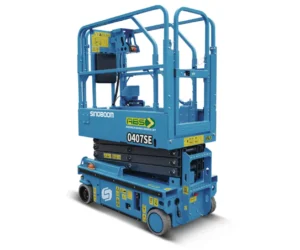
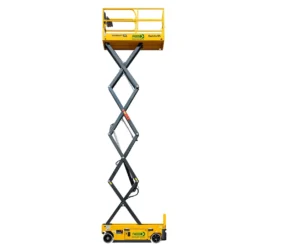
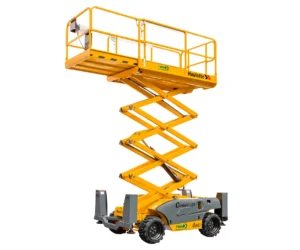


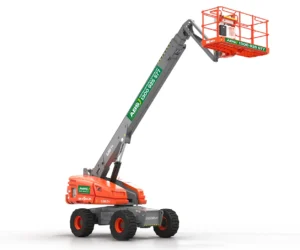
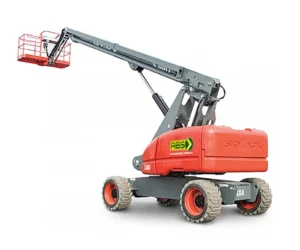
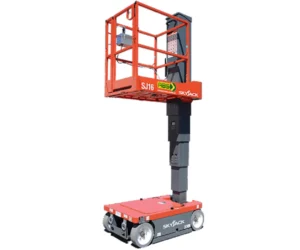
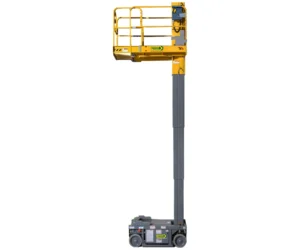
Scissor lifts are an essential piece of equipment for a wide range of industries, including construction, warehousing, and facility maintenance. At Australian Boom & Scissor, we prioritise safety and efficiency when it comes to operating elevated work platforms. Whether you’re a seasoned operator or new to using a scissor lift, understanding the correct and safe way to use one is crucial.
Understanding Scissor Lifts
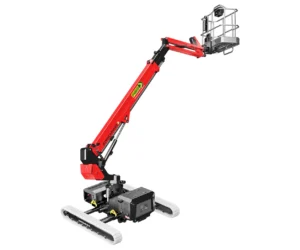
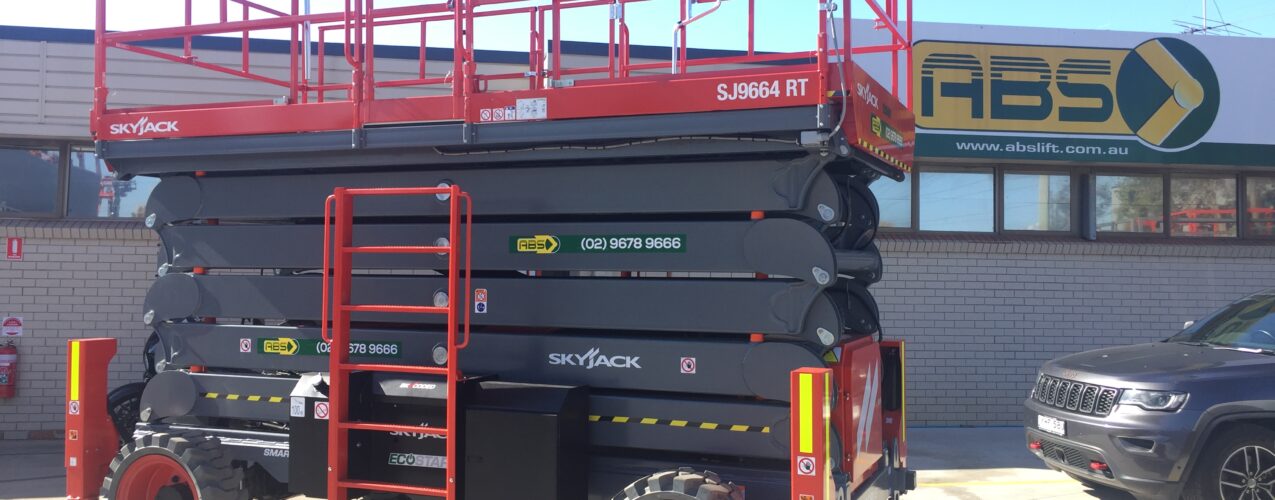
A scissor lift is a type of aerial work platform designed to provide safe and stable access to elevated areas. These lifts operate through a crisscrossing mechanism that extends vertically, allowing workers to perform tasks at height securely. Unlike boom lifts, scissor lifts can only move up and down, making them ideal for tasks requiring a stable platform.
Step-by-step guide to using a Scissor Lift safely
1. Ensure you have the correct licence and training
Before operating a scissor lift, you must have the appropriate licence and training. In Australia, you may need a High-Risk Work Licence (HRWL) or Yellow Card depending on the height and type of lift you are using. Always check your state’s regulations and ensure you complete the necessary training before operation.
2. Conduct a pre-use inspection
Before operating a scissor lift, it is essential to inspect it for any faults or potential safety hazards. Key checks include:
- Ensuring there are no leaks in the hydraulic system.
- Checking the battery and electrical connections.
- Inspecting the tires and wheels for damage.
- Testing the emergency stop and safety controls.
- Confirming that the guardrails and toe boards are securely in place.
3. Wear the proper safety gear
Operators and workers on the platform should wear appropriate personal protective equipment (PPE), including:
- A hard hat to protect against falling debris.
- Safety boots for stability.
- A harness and lanyard are required by workplace regulations.
- High-visibility clothing for visibility in busy work environments.
4. Understand the load capacity
Each scissor lift has a specific weight limit that must be adhered to. Overloading the platform can compromise stability and lead to accidents. Always check the manufacturer’s guidelines and ensure that tools and personnel do not exceed the weight limit.
5. Choose a safe operating environment
Scissor lifts should be used on level, stable ground to prevent tipping. Avoid using the lift in high winds or adverse weather conditions. If operating indoors, ensure the area is free of obstructions and hazards such as overhead beams or electrical wires.
6. Operate with caution
When raising or lowering the platform, always move smoothly and avoid sudden jerks. Additional safety tips include:
- Keeping hands, feet, and objects away from the moving parts of the lift.
- Never climbing or leaning over the guardrails.
- Using spotters when necessary to help navigate tight spaces.
- Being mindful of other workers and obstacles in the area.
7. Emergency procedures
At ABS, safety is at the heart of everything we do, and therefore advise that all operators should be trained on emergency procedures in case of an accident. This includes:
- Knowing the location and function of emergency stop buttons.
- Understanding how to use the manual lowering system.
- Having a communication plan in place in case assistance is required.
Why choose Australian Boom & Scissor?
At Australian Boom & Scissor, we provide high-quality scissor lifts with comprehensive safety features to ensure smooth and secure operation. We also offer expert advice and training to help operators maintain the highest safety standards.
By following these best practices, you can ensure that your scissor lift operations are both efficient and safe. If you need further guidance or are looking for reliable scissor lift rentals in Australia, contact Australian Boom & Scissor today or call us on 1300 92 55 77.